Tuesday, March 25, 2014

Brain Tools

Tools we use to study the brain

Many tools are used to study the brain. Each works slightly differently.
For each of the following get an example of a brain image and a sentence or two about how it works or what it is used for.

CAT scan (computer axial tomography)
The CAT scan emits a series of narrow beams as it moves through. Many 2-D ray images are taken around a single axis of rotation and then placed together to create a 3-D image of thee brain.


Structural Magnetic Resonance Image
MRI scanning uses radio waves to produce images. The MRI scanner is a tube surrounded by a circular magnet.MRI scans are used as an accurate method of disease detection. It can view brain anatomy. 


Diffusion-Tensor MRI (DTI)
Diffusion MRI measures how water molecules diffuse through the body tissue. It is used too diagnose strokes, multiple sclerosis, etc. DTI allows researchers to map connectivity between brain areas. 


EEG (electroencephalograph)
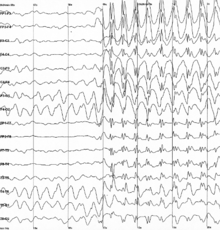
 EEG uses electrodes to detect electrical activity in your brain since brain cells communicate via electrical impulses. EEG is used to diagnose epilepsy and other brain disorders. 


PET scan (Positron emission tomography)
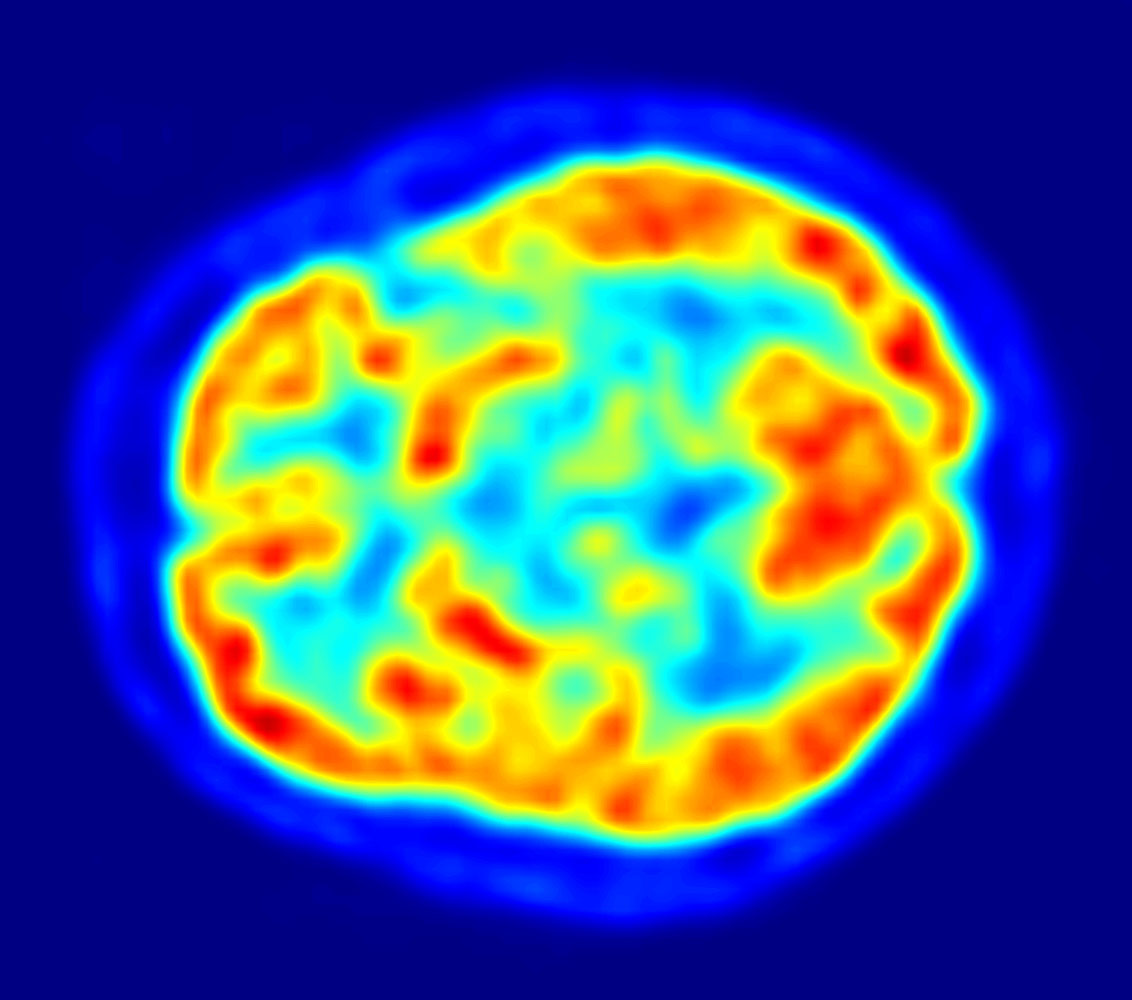
The patient must consume radioactive material in his/her body. The PET scan tracks the radioactive material. More radioactive material often corresponds to areas of disease, etc. It is used in evaluating neurological problems.  


fMRI (functional MRI)
fMRI measures brain activity by detecting the changes in blood oxygenation and flow that occur in response to neural activity. fMRI shows parts of the brain that are involved in a particular mental process.


phMRI (pharamacological MRI)
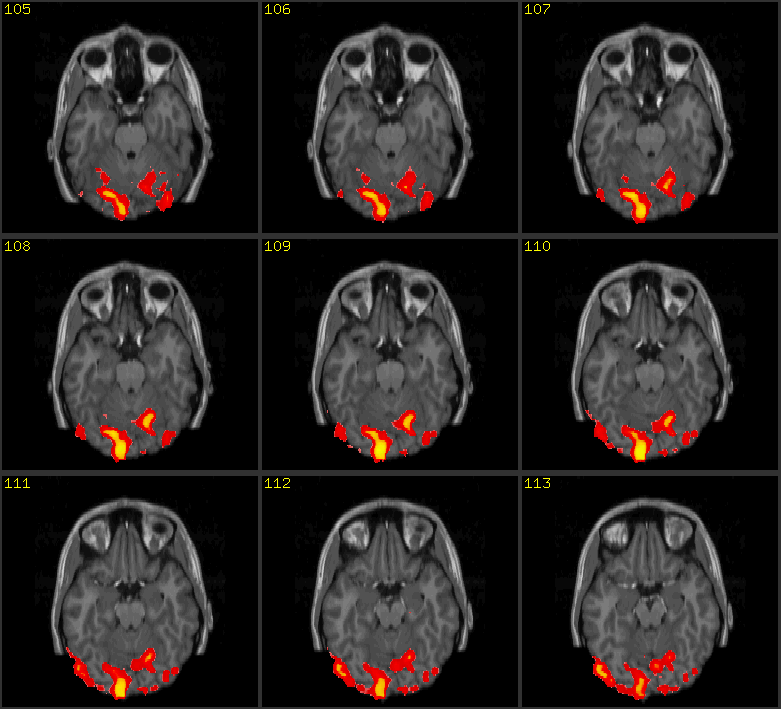
phMRI uses drug stimuli to map brain function. It can provide information on neuro-receptor signaling and function. Drugs can elicit hemodynamic changes. 


TMS (transcranial magnetic stimulation)
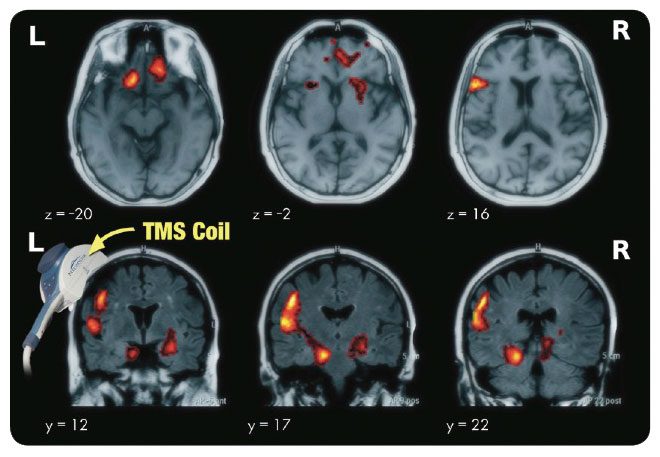
TMS uses magnetic fields to stimulate nerve cells in the brain to improve depression symptoms. A large electromagnetic coil is place on the head and sends electric currents. 
references: http://www.pbs.org/wnet/brain/scanning/
http://www.amenclinics.com/
http://faculty.washington.edu/chudler/image.html

Muscle Song

(to the tune of Twinkle Twinkle Little Star)

Muscles, Muscles in our body
so vital to our function
everywhere in our body
what would we do without you
Muscles, Muscles in our body

So many different types
cardiac smooth and skeletal
all in different areas
serving different functions
Muscles, Muscles in our body

Cardiac muscles in the heart
under involuntary control.
they appear to be striated
in the walls of the heart.
helping the heart beat everyday

Smooth muscles, in visceral organs
under involuntary control.
They appear spindle shaped,
contracting and relaxing,
working all over in the body.

Skeletal muscles, attached to bones
under voluntary control.
They appear to be striated,
stretching across bones and joints.
working with bones to give you movement

All these muscles are so useful
but how do they function?
myosin moving along filament
results in muscle contraction and release.
And that's the sliding filament theory.

Muscles, Muscles in our body
so vital to our function
everywhere in our body
what would we do without you
Muscles, Muscles in our body


Heart Sounds

Aortic Sclerosis
Aortic sclerosis heart beat is loud. It sounds like a slow horse galloping like bumBUm..bumBUM..bumBUM. It seems slow and steady.  Aortic sclerosis is when the trileaflet aortic valve calcifies and thickens. There is an absence of obstruction of ventricular outflow. As adults age, they tend to exhibit aortic sclerosis. Other factors that increase the risk of aortic sclerosis include being male, smoking, hypertension, high lipoprotein, and diabetes mellitus. LDL cholesterol lowering can slow the progression of aortic sclerosis. Aortic sclerosis can be an indicator of a coexisting coronary disease. Having aortic sclerosis may increase the risk of death from cardiovascular causes by 50%.

Aortic Stenosis (severe)
Aortic stenosis heart beart sounds like repetitive swift swinging of a baseball bat. It sounds deep, swift, and quick. It sounds like WOOP.WOOP.WOOP. It is louder and higher pitched. Aortic Stenosis is when the aortic valve does not fully open. It decreases the blood flow from the heart. The aortic valve becomes more narrow, making the left ventricle increase pressure to pump blood out. The muscles in the ventricle walls become thicker and causes chest pain. In severe cases, blood may back up into the lungs or prevent enough blood from reaching the brain or rest of the body. A common cause is rheumatic fever that develops after strep throat or scarlet fever. Another common cause is calcium deposits that narrow the valve.

Normal Heart (normal and unsplit)
It sounds normal and steady. It sounds like metronome going BUM...bum..BUM...bum..BUM..bum.  It goes 60 beats per minute. The first heart sound is a bit more intense than the second one. The first heart sound is produced by the closing of the mitral and tricuspid valve leaflets. The second heart sound is produced by the closing of the aortic and pulmonic valve leaflets.

Acute Pericarditis
It sounds like ocean waves crashing into another. It goes like WOOSH. WOOSH. WOOSH. The murmurs are caused by turbulent blood flow across incompetent waves, but a pericardial rub is caused by the two surfaces of the pericardial sack rubbing together. Pericarditis is a swelling and irritation of the pericardium, the thin membrane that surrounds your heart. Pericarditis causes chest pain. It is usually sudden and acute.

Mitral regurgitation (severe)
It sounds like an orca. It sounds like hoocrr..hoocrr..hoocrr. Severe mitral regurgitation is caused by the degeneration of the mitral valve leaflets. The first sound is normal but the second heart sound is widely split. It is characterized as a loud, rectangular, pansytolic murmur. Mitral regurgitation is the most common type of heart valve disorder. The mitral valve doesn’t close all the way and the blood flows backward into the upper heart chamber. There is a decrease in blood flow to the rest of the body and the heart tries harder to pump more blood. This may lead to congestive heart failure.

Atrial Septal Defect
Atrial septal defect sounds like someone knocking on the door. It goes like duh.DUH.duh.DUH. When a baby is in the womb, there’s an opening between the upper chambers and of the heart. It usually closes when the baby is born but if it doesn’t close the hole is considered an atrial septal defect. The hole allows blood to flow between the two heart chambers and pressure in the lungs may build up. There will be less oxygen in the blood that goes to the body.

Mediastinal Crunch
It sounds like the sound of the wind when you are recording a video on your phone. It sounds like a crunch. It is also known as Hamman’s sign. There is a crunching, rasping sound that is synchronous with the heartbeat. It is produced by the heart beating against air-filled tissues. IIt is caused by pneumomediastinum and is associated with tracheobronchial injury due to trauma.

Ebstein’s Anomaly
It sounds like someone snoring. Ebstein’s anomaly is a rare heart defect that is present at birth. The tricuspid valve, the valve between the right side chambers, doesn’t work properly. Blood leaks back through the valve, causing the heart to work less efficiently. It can lead to heart enlargement or heart failure.

Third Heart Sound
The third heart sound is an extra sound that creates a gallop cadence and sounds like “tennessee”. The third heart sound is heard early in diastole. It is very low frequency. To increase the intensity of the third heart sound, the patient should lie to his/her left side. It is heard on occasion in normal people with no cardiac pathology.

Exercise Heart Rate
Because exercise increases heart action, it increases the heart rate and the intensity of the first heart sound. This sounds like the first heart sound but louder and faster. The heart sounds are best heard using the diaphragm of the stethoscope.
References: http://www.practicalclinicalskills.com/heart-sounds-murmurs.aspx

Wednesday, January 22, 2014

Duchenne Muscular Dystrophy (DMD)

DMD is caused by a defective gene that makes the protein dystrophin. Dystrophin helps muscle retain their shape and strength. Without dystrophin, muscles deteriorate and a person gets weaker as time progresses. DMD affects males and symptoms usually start between ages 2 and 6. At age 10-12, children with DMD often need to use a wheelchair. DMD may also affect the heart in a negative manner. Those who have DMD may need to be followed closely by a lung and heart specialist. Patients diagnosed with DMD can also develop scoliosis, the curvature of the spine. Their joints may be tightened. As time progresses, their muscles that control breathing get wear. A person may need a ventilator to assist them with breathing.
References: http://www.neurosurgeryresident.net//Mus.%20Muscular,%20Neuromuscular%20disorders/Mus5a.%20Duchenne%20muscular%20dystrophy%20(1).jpg
http://mda.org/disease/duchenne-muscular-dystrophy
http://www.nlm.nih.gov/medlineplus/ency/article/000705.htm

Wednesday, January 15, 2014

How to be an Acupuncturist

Acupuncturists use Traditional Chinese Medicine to help relieve tension, release energy, and stimulate the body. By inserting thin needles along the body's energy vessels, acupuncturists serve the needs of their patients. Patients suffering from arthritis, headaches, asthma, lethargy, stress, etc. can go to an acupuncturist to relieve their pain.


1. Certain skills:
 -good hand eye coordination
 -steady hands
 -excellent communication skills
 -passion for working with people
2. Educational requirements
 -bachelor's degree: physiology, anatomy, biology, psychology, health care, alternative medicine etc
 -bachelor's degree is IDEAL; some schools only require 2 academic years of education at the      baccalaureate level or a certification for medical professional
 -requirements vary by program and state
 -postgraduate school approved by ACAOM
 -pass National Certification Commission for Acupuncture and Oriental Medicine exam
3. Language
 -ability to communicate with patients
 -understand the needs of patients
 -ability to translate what you're doing to them

References:
 http://www.chicagotribune.com/sns-health-work-as-a-acupuncturist,0,536154.story
http://allhealthcare.monster.com/training/articles/3058-how-to-become-an-acupuncturist
http://www.wikihow.com/Become-an-Acupuncturist

Sunday, September 29, 2013

Leukemia

Leukemia is the cancer of blood cells in which it starts in the bone marrow, where blood cells are made.
Leukemia causes your bone marrow to make a lot of abnormal white blood cells. They don’t have the same function as normal white blood cells; they grow faster and don’t stop growing. The leukemia cells can crowd out the normal blood cells and cause anemia, bleeding, and infections.

Risk Factors
being exposed to large amounts of radiation
Being exposed to certain chemicals
Having some type of chemotherapy
Having down syndrome or other genetic problems
Smoking
Symptoms:  Fever and night sweats
Headaches
Bruising/bleeding easily
Bone/joint pain
Swollen lymph nodes in armpit, neck, groin
Swollen/painful belly from enlarged spleen
Diagnosis:
Physical exam- look for swollen lymph nodes and if spleen or liver is enlarged
Blood test- abnormal level of white blood cells
Bone marrow biopsy- what time of leukemia?
Treatment:
Chemotherapy
Radiation treatments
Stem cell transplant

Biological therapy

Friday, September 6, 2013

How to Become a Paramedic

1. Get an EMT-Basic certification
       Four Levels: EMR - Emergency Medical Responder
                           EMT- Emergency Medical Technician
                           AEMT- Advanced Emergency Medical Technician
                           Paramedic
2. Get CPR certified (required for an EMT basic class) Paramedic programs prefers the American Heart Association Healthcare Provider Card.
3. Get EMT-B certification - Costs about $500-$900 and lasts from 3-6 months. Offered by most community colleges.
4.Take the National Registry EMT-Basic Exam. It's a computer-adaptive test and is pretty hard. The test adapts itself to your skill level. It establishes your level of knowledge.
5. If you pass the EMT-B exam, you can either moving up to intermediate or going into Paramedics.
6. If you go into Paramedic Training
    -Take an IV class and get IV-certified
    -Take an EKG interpretation class
    -Pass advanced anatomy and physiology classes (depends on program)
    -Get certified in advanced Cardiac Life Support, Pediatric Advanced Life Support, and Pre-Hospital Trauma Life Support
     -Get year(s) of experience as an actively practicing EMT-B
7. Pass paramedic exam
8. If passed, look for a job.
Salary: About 70,000

REFERENCES:http://www.wikihow.com/Become-a-Paramedic
https://www.cpc.mednet.ucla.edu/course/paramedic-preparation
https://www.cpc.mednet.ucla.edu/node/27